

Leave Your Message

Blog

2026 How to Choose a Spinal Traction Table for Your Clinic

2026 How to Choose a Spinal Traction Table for Your Clinic

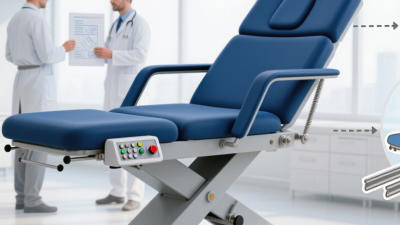
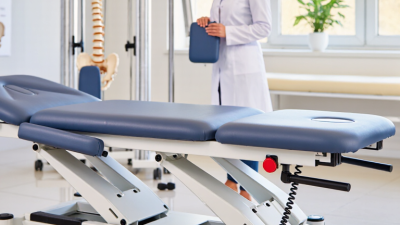
Look, picking a Spinal Traction Table is a pretty practical decision—it's going to affect your room layout, the way your clinicians move around, and even how comfortable your patients feel. You don't just want something that looks flashy in a catalogue; it should actually match the services your clinic offers. So start by checking the table's adjustment range, weight capacity, patient supports, and control placement—you know, the stuff that really matters in day-to-day use. You know, have you ever thought about whether your staff can actually position a patient without having to stretch awkwardly? And what about the table – can it even fit through the doorways, let alone leave enough room to move around? Yeah, those little measurements really do count. Getting the fit right is huge. So, when you're checking out equipment, you've got to match the manufacturer's specs with what your clinic actually needs. And definitely ask for clear guidance on setup, cleaning, inspection, and maintenance – don't skip that. Also, make sure you know exactly which accessories are in the box and which ones you'll have to shell out extra for. A hands-on demo is super helpful – you can see if the sections glide smoothly or if you can actually reach the controls, stuff you won't catch in a photo. But even then, one demo won't predict every single hiccup you might face in day-to-day use. So, when it comes to choosing equipment, it's a good idea to really listen to what clinicians who already use similar stuff have to say. Also, don't forget to check the warranty, how quick service is available, and how long you'll wait for delivery. And here's a thing – just because something costs more doesn't mean it's a better fit for you. That's a common mistake, honestly. And don't get carried away with broad treatment claims – you know, those that sound too good to be true. The equipment should be chosen based on solid clinical judgment and following the right professional guidelines. It might take a bit longer than you expected to compare everything carefully – but that's time well spent, not wasted. So you're on the hunt for a new clinic table, huh? Before you jump in, there are a few things you should really mull over. You'll want to ask the right questions, check the specs that actually matter, and weigh the trade-offs. This guide gives you the lowdown on all of it.
Read more »
Lucas By:Lucas - November 16, 2026
2026 Best Traction Table for Global Buyers?

2026 Best Traction Table for Global Buyers?

Look, a 2026 Traction Table isn't going to earn its keep just because of some fancy brochure. What really matters is how it performs when you actually use it. So if you're buying globally, you've got to dig into the details: how much adjustment range does it offer? What's the patient capacity? Is the frame stable? Can you easily access it for service? And let's not forget the instructions – they should be clear as day. But here's the thing – it's the little stuff that gets you. Like a restraint that actually stays put, a control panel that doesn't require a manual, and movement that's smooth as butter. Those are the things that make a big difference in a busy clinic. And then there's the nightmare of waiting for a replacement part to show up – that can ruin your whole week. When you're weighing different treatment claims, Dr. James Rainville—a spine rehab physician and researcher—is someone worth keeping in mind. His work suggests a careful, tailored approach to care, which makes sense. Now, just to be clear, we didn't make up any quotes from him here; if you see something attributed to him, always double-check with the original source. So the basic buying rule? Keep it simple: match the equipment to what it's actually meant for in the clinic, and run any big claims by qualified pros before you commit. So when you're comparing these electric lumbar traction tables, it's not just about the specs on paper. You really need to check if the controls are straightforward, if you can get into a comfortable position, and if it actually supports you the way you need. Honestly, specs alone won't cut it. You should ask them to show you how it works, clarify the warranty, get some maintenance tips, and ask for proof that it does what they claim. Also, make sure a local tech can fix it if something goes wrong—that's a big one. Sure, a cheap price tag can be tempting, but when equipment breaks down, that "deal" quickly stops being one. I tend to care more about practical stuff than how sleek something looks—that's a choice I make on purpose. Still, no list of checks is ever going to replace sitting down and really figuring out what each clinic actually needs.
Read more »
Lucas By:Lucas - November 11, 2026
Why Choose a Back Board Stretcher?

Why Choose a Back Board Stretcher?

So, why would someone choose a Back Board Stretcher? Actually, the answer doesn't start with some product promise—it starts with a pretty common problem. The World Health Organization’s 2023 fact sheet on low back pain estimated that 619 million people had low back pain in 2020. And they’re projecting that number could reach 843 million by 2050. That’s a huge number, honestly. As WHO Director-General Dr. ... So, Tedros Adhanom Ghebreyesus called low back pain 'the leading cause of disability worldwide.' That's a huge deal, no doubt. But honestly, that stat just shows how big of a health burden this is. It doesn't mean any random stretcher can actually prevent or treat your back pain, you know? So, a back board stretcher is basically meant to hold your body in place while you do controlled stretching or positioning. What you get with it can vary quite a bit depending on the model—some have a firm surface, some have shaped supports, and others let you adjust the positioning. And honestly, those little differences are a big deal when you're comparing comfort, stability, and how easy it is to use. Fit matters just as much. The thing is, a board that feels great and supportive to one person might be totally uncomfortable for someone else. You know, the evidence really is worth digging into. The WHO’s 2023 guideline on chronic primary low back pain talks a lot about person-centered, appropriate care—it’s definitely not saying any one stretcher is the answer. Honestly, no single device works for everyone. And that nuance? Super easy to overlook. So when you’re looking at a board, pay attention to the materials, dimensions, and instructions, and if your pain sticks around or gets bad, don’t guess—talk to a qualified health professional. Look, a back board stretcher might work great for some people—sure, it can be a handy stretching tool. But it’s not a substitute for getting a proper one-on-one assessment. At the end of the day, the choice is really personal, and honestly, it’s worth asking yourself some tough questions before you hand over your money.
Read more »
Ethan By:Ethan - November 7, 2026
What Is the Best Lumbar Traction Table in 2026?

What Is the Best Lumbar Traction Table in 2026?

Let’s be honest—picking the best lumbar traction table in 2026 isn’t just about comparing motor specs or price tags. You really have to think about who’s using it, where it’s going to live, and what the clinician actually has in mind for treatment. It needs to feel solid and be simple enough to operate without a ton of fuss. And the little things? They matter more than you’d expect. Clear controls, padding that doesn’t dig in, straps that adjust easily, and an emergency stop that’s actually easy to reach. A table can look amazing in a brochure and still be a total pain in a busy clinic. You know how easy it is to get distracted by all the bells and whistles on a piece of equipment? Dr. Julie M. Fritz—a physical therapist and researcher who focuses on low-back pain—makes a pretty solid point about that. She wasn't quoted directly here, but the gist is: let the patient’s needs drive the treatment, not the machine’s spec sheet. That’s a key thing to keep in mind when you’re weighing a regular lumbar traction table against, say, an electric lumbar traction table. Just because a table has more adjustment options doesn't automatically mean it's better for patients. Clinicians still need to look at the setup instructions, safety features, service support, and whether it actually fits the way they plan to use it. And don't forget the basics—can patients get on and off comfortably? That one sounds obvious, but you'd be surprised how easily it gets overlooked. In this guide, we'll walk through practical features and buying considerations, while keeping in mind that traction isn't backed by equally strong evidence for every patient or condition. At the end of the day, no comparison table is going to replace clinical judgment. And just because a product page looks polished doesn't mean it actually works. A real comparison starts with your actual needs, clear documentation, and honest questions—what this device can really do, and what it can't.
Read more »
Lucas By:Lucas - November 2, 2026
Top 10 Best Back Stretcher Tools for Back Pain?

Top 10 Best Back Stretcher Tools for Back Pain?

Back pain has a way of making the simplest movements feel way harder than they should. You know that stiff, achy thing in the morning? Or after a long drive, or a day glued to your desk? Yeah—your lower back is not happy. A Back Stretcher Tool can be a nice, gentle way to try supported extension. But honestly? It’s not a cure, and it’s definitely not for everyone. Even spine biomechanics researcher Dr. [Name] would tell you the same. Stuart McGill makes a really good point here—there’s no universal stretch that works for everyone. You’ve got to pick movements based on what your body is telling you. If it doesn’t feel comfortable, don’t push it. And honestly, if the pain is bad, getting worse, or feels weird in any way, don’t mess around with new gadgets—check with a real healthcare professional first. Alright, so this guide is basically a head-to-head look at ten popular back stretcher tools. We’re checking them for comfort, adjustability, materials, stability, and how easy they are to use. But we don’t just stop at specs—we’re thinking about how each one actually feels when you use it on a firm floor, whether you can tweak the arch height, and if it can slip under the bed without a struggle. And honestly, the small details can make or break it. A textured surface might feel reassuring and grippy, while a steep curve can be way too intense if you’re just starting out. Also, product claims? Take them with a grain of salt. Just because something sounds impressive doesn’t mean it’s backed by real clinical benefit. Look, these rankings aren't meant to replace real medical advice—they're just here to help you compare options. Some tools might actually click with you; others might feel, well, kind of awkward. And honestly, that difference matters. So treat this list as a starting point, take things slow, and if something makes you feel worse, put it down.
Read more »
Lucas By:Lucas - October 29, 2026
Top 10 Posture Stretchers for Back Pain Relief

Top 10 Posture Stretchers for Back Pain Relief

Back pain has a way of turning everyday stuff into a real challenge. Just standing at a desk? That can leave you with a dull ache. And after a long drive, your lower back might feel stiff and cranky. That's where Posture Stretchers come in—they're made to help with gentle stretching and a more balanced position during moments like these. Still, they aren't some magic fix. What feels good can be different for everyone. So, this guide is all about the top 10 posture stretchers for back pain relief. We’re keeping it practical here, not hyping things up with big dramatic promises. We’ll look at stuff like adjustability, support, what it’s made of, whether it’s easy to carry around, how simple it is to clean, and how easy it is to actually use. And we also think about how each one might fit into your real day—like if you’re stretching next to your bed, or using something after work when you’re already wiped. A good stretcher should feel steady and secure. It shouldn’t crank your spine into some extreme position. Honestly, the little things matter. Even padded contact points can totally change how it feels. I put these recommendations together based on product specs, ergonomic basics, and the kinds of things users often worry about. That said, this list isn't meant to replace advice from a qualified healthcare professional. If your pain sticks around, is severe, or radiates somewhere, it's worth getting checked out properly. And if any device causes sharp pain, numbness, or unusual weakness, stop using it right away. Honestly, no ranking is ever perfect. Your own anatomy, injury history, and daily habits can all change how things turn out. Some choices might not seem all that impressive at first, but they can end up working better over time. And that's definitely worth remembering. At the end of the day, the best option is usually the one you can use safely, consistently, and comfortably.
Read more »
Lila By:Lila - October 24, 2026
How to Choose Back Stretcher Equipment in 2026?

How to Choose Back Stretcher Equipment in 2026?

Choosing Back Stretcher Equipment in 2026 requires more than comparing prices or reading attractive product claims. The right choice depends on body size, pain patterns, mobility, daily habits, and professional guidance. A device that feels helpful for one user may create discomfort for another. There is no universal solution. This guide examines the details that matter before purchase. It considers adjustable support, frame stability, padding, weight limits, portability, cleaning, and ease of storage. A reliable back stretcher should support controlled movement without forcing the spine into an extreme position. Look for clear instructions, transparent materials, and safety information from established manufacturers. Independent reviews can help, but they should not replace advice from a qualified healthcare professional. Small details matter. For example, a curved stretcher may fit comfortably under the lower back, while a rigid edge may press against the ribs. A narrow model can be easy to carry but less stable on different floor surfaces. Some products include height settings, yet complicated adjustments may discourage regular use. That practical issue is easy to overlook. Personal experience also matters: short sessions on a firm surface may feel different from longer sessions on a soft mattress. The discussion ahead will compare equipment types, explain useful features, and identify warning signs. It will also question common marketing promises, because “natural alignment” does not guarantee comfort or suitability. Careful selection, gradual use, and realistic expectations remain more dependable than dramatic claims. Slight discomfort may require reassessment, not persistence. Reliable equipment should support a sensible routine, never replace medical diagnosis or treatment.
Read more »
Lucas By:Lucas - October 20, 2026
How to Choose a Spine Extender in 2026?

How to Choose a Spine Extender in 2026?

So, choosing a Spine Extender in 2026? It’s not just about price tags or slick product photos. You’ve got to think about comfort, adjustability, materials, how easy the controls are to use, and whether it actually fits your medical situation. A device can look super advanced and still feel wobbly or uncomfortable after ten minutes. And yeah, that matters. This guide looks at the practical stuff that can help you make a safer call. Things like adjustable height, body support, pressure distribution, and whether the instructions are any good. We also check if the manufacturer is upfront about testing, cleaning, warranty terms, and who should or shouldn’t use it. Good info should be easy to verify. Vague promises? They deserve a side-eye. If you’ve got ongoing back pain, numbness, weakness, or past spinal injuries, talk to a healthcare professional before jumping into any traction-related equipment. A Spine Extender isn’t automatically right for every body type or condition. That assumption is worth questioning. Start with short sessions, follow the manual, and stop if discomfort goes up. Little things matter too—like a stable base, smooth adjustment points, breathable padding, and release controls you can actually reach. The best choice might not be the priciest model. It might be the one that helps you use it in a controlled, consistent way—and gives you clear support if problems come up. Still, product descriptions don’t always mention limitations. This review will point out those gaps where we can, while being honest that independent clinical evidence may be limited. Treat specs as evidence, not proof. Your own fit still needs careful evaluation.
Read more »
Ethan By:Ethan - October 16, 2026
Why Choose a Lumbar Stretcher for Back Pain?

Why Choose a Lumbar Stretcher for Back Pain?

Dealing with ongoing back pain? Yeah, it can turn the simplest things into a real challenge. Sitting through a meeting, tying your shoes, even just rolling over in bed can suddenly remind you how stiff and limited you feel. That’s where a Lumbar Stretcher comes in—it’s made to give controlled support and a gentle stretch through the spine. For some people, it might help ease muscle tightness and make movement feel a bit more normal again. But let’s be clear: it’s not a magic cure. Dr. Stuart McGill, a well-known spinal biomechanics researcher, once said, “The spine is a strong, robust structure.” That’s an important way to look at it. Good back care should make you feel confident, not scared. A well-designed Lumbar Stretcher can be part of a structured routine—if you use it with sensible positioning, take sessions slowly, and pay attention to what your body is telling you. The firm surface supports your lower back, and the curve encourages a gentle opening in the lumbar area. Sometimes small changes really do matter. That said, you still need to use your head. Not every back issue gets better with stretching. If you have numbness, leg weakness, unexplained weight loss, fever, or changes in bladder control, get medical help right away. A physiotherapist or another qualified healthcare professional can help figure out whether lumbar stretching is a good fit for your situation. And experiences vary—some users feel relief after a few minutes, while others feel irritation or nothing at all. That uncertainty is worth being honest about. This guide looks at why people try a Lumbar Stretcher, how it may help mobility, and where its limits really show up. Used thoughtfully, it can support—not replace—professional care, strength training, and healthy movement in daily life.
Read more »
Ethan By:Ethan - October 11, 2026
7 Best Spinal Traction Tables for Clinics in 2026

7 Best Spinal Traction Tables for Clinics in 2026

Picking the right Spinal Traction Table isn’t just a random purchase—it can really shape how your clinic day flows, how comfortable patients feel, and how consistent your treatments are. Sure, a reliable table should look advanced. But honestly, that’s not the main thing. What matters more is whether it helps you position patients accurately, control force, make smooth adjustments, and run clear safety checks. And the “best” choice? It depends. Patient needs, your own technique, room size, and long-term maintenance all come into play. Dr. James M. Cox, developer of Cox® Technic, put it well: “The purpose is to reduce pressure, improve motion, and help the patient function better.” That still rings true when you’re comparing modern traction systems. Technology should support the treatment plan, not replace clinical judgment. In fact, a quiet motor, a stable frame, and controls that respond the way you expect can matter way more than a crowded feature list. In this guide, we’ll look at seven Spinal Traction Table options for clinics in 2026. For each model, we’ll consider practical stuff: adjustment range, weight capacity, comfort, portability, service support, and documentation. Now, evidence for traction isn’t uniform across every condition—and that matters. A table may work great in one clinic and poorly in another. Rankings can also shift as manufacturers improve their designs or publish better data. So expect a balanced review, not some perfect answer. Real clinics deal with budget limits, training gaps, tight rooms, and the occasional equipment headache. Most of the time, the strongest table is simply the one your clinicians can operate confidently and your patients can tolerate comfortably. Safety, informed assessment, and consistent follow-up should guide the final call.
Read more »
Lucas By:Lucas - October 7, 2026
2026 Top Chiro Traction Table Types for Global Buyers

2026 Top Chiro Traction Table Types for Global Buyers

The 2026 landscape for buying a Chiro Traction Table is becoming way more specialized than before. Nowadays, clinics are really comparing different options—manual, motorized, split-table setups, and cervical traction systems. They’re also paying close attention to things like patient weight limits, how precisely they can control angles, noise levels, how easy it is to clean the surfaces, and how accessible service parts are. Just having a sleek, shiny frame isn’t enough these days—you really gotta dig deeper. According to Grand View Research’s report on the Chiropractic Care Market, the global demand for chiropractic services is expected to keep growing through at least 2030. That means more clinics, rehab centers, and multidisciplinary practices will likely need reliable equipment. Plus, the U.S. Bureau of Labor Statistics predicts a solid 9% job growth for chiropractors from 2023 to 2033. As more practitioners jump into the game, their equipment needs might increase—but be mindful, the buying trends can vary quite a bit depending on where you’re shopping. And let's not forget about workflow. A busy clinic probably prefers an electric table with foot controls and quick height adjustments—it makes life easier. Smaller practices, on the other hand, might lean toward manual models because they usually cost less to maintain. Some buyers might prioritize cervical traction, while others are more interested in lumbar decompression or just making patients comfortable. Never assume one type of table fits all markets—that’s a mistake that needs testing and verifying. This guide is here to help you compare the top chiropractic traction tables for 2026—globally. We look at everything: build quality, how precise the adjustments are, safety features, how easy it is for operators, warranty support, and overall costs of ownership. While these reports are super helpful, don’t forget that a hands-on inspection is still key. Always ask for load testing records, electrical certifications, spare parts availability, and proper training documentation. Those tiny details really matter. A table that moves smoothly during a trade show might act differently after months of daily use. So, making a reliable choice means looking for proof—things like real-world performance—rather than just eye-catching specs.
Read more »
Lila By:Lila - October 2, 2026
How to Choose a Back Board Stretcher in 2026?

How to Choose a Back Board Stretcher in 2026?

Choosing a back board stretcher in 2026 isn’t just about comparing prices or going for the lightest model out there. It really depends on a bunch of factors—like the size of your patients, how you plan to transfer them, how much storage space you have, and the training your team has. Sometimes, a board that feels sturdy and solid in the showroom can be kinda awkward when you’re trying to maneuver it through a tight hallway. Features like textured surfaces, sturdy handholds, and straps that actually fit can make a huge difference when you're doing a careful transfer. Don’t forget to check those little details that are easy to overlook—make sure to verify the manufacturer’s weight capacity and the actual dimensions. Look for clear instructions on how to clean it, check if the materials are durable, and see if it’s compatible with your current equipment. It’s also good to ask how the board performs when it’s wet, how you should store it, and whether your team can handle it comfortably without risking injury during lifting. These practical bits matter more than a long list of fancy features. Sometimes, a small compromise in quality or features becomes pretty obvious during a busy shift. And hey, when you get a quote from an expert or a manufacturer’s brochure, it’s smart to double-check the source. I can’t really vouch for any specific claims here since there’s no original source provided, but it’s important that any recommendations or specifications you rely on can be traced back to a credible source. Your equipment choices should be based on facts, not just persuasive marketing. Use this guide to compare options against your actual workflow, check in directly with manufacturers, and involve your trained clinical or rescue team in the decision. No one-size-fits-all model, right? The best choice is the one your team can inspect, carry comfortably, clean easily, and actually use with confidence.
Read more »
Lucas By:Lucas - September 28, 2026
How to Choose the Best Spinal Traction Table?

How to Choose the Best Spinal Traction Table?

Choosing the right Spinal Traction Table isn’t just about comparing prices or piling up features. You know, a table might look super impressive in a showroom, but then you get it into a real treatment setting, and it feels all wobbly or unstable. So, healthcare pros should really check out the frame, how the motor responds, how comfortable the harness is, and whether the adjustments are straightforward. It’s also important to think about the patient’s height, weight, mobility, and what they’re actually being treated for. Little details can make a big difference—like a narrow pelvic belt that creates uncomfortable pressure or a loud mechanical noise that might make a patient more tense than they need to be. Making a good choice isn’t just about looking at specs; it’s about observing how it performs in real use and trusting your professional judgment. It’s a good idea to have an experienced therapist test the table with patients of different sizes and positioning needs. You wanna ensure the control system lets you fine-tune the force precisely and that it releases smoothly. And don’t forget—emergency stops should be easy to reach quickly. Take a look at the manufacturer’s clinical info, safety instructions, service history, and warranty info. While certifications from independent bodies can give you extra peace of mind, they are no substitute for proper training and a careful assessment. Let’s be honest: no table is perfect. Sometimes, initial impressions can be misleading. A cheaper table might turn out to have higher ongoing maintenance costs. On the flip side, an advanced feature set might not be worth it if you’re running a small clinic. Think about how easy it is to clean, the availability of replacement parts, electrical needs, and how much staff training will be needed. Ultimately, the best Spinal Traction Table is the one that helps you carry out your work smoothly, not complicate it. It should be designed to help clinicians keep patients well-positioned and to communicate clearly during treatment. Before making a purchase, it’s smart to compare multiple options, take notes from real-world testing, and chat with other healthcare professionals. Don’t forget to keep local safety requirements and clinic policies in mind—they should guide your final decision.
Read more »
Lila By:Lila - September 23, 2026
7 Tips for Choosing the Best Orthopedic Traction Bed?

7 Tips for Choosing the Best Orthopedic Traction Bed?

Picking out the right Orthopedic Traction Bed isn’t just about buying some equipment — it’s a real clinical decision. You want a bed that can support controlled traction, keep things stable, and still be safe and easy to care for on a daily basis. The frame really matters, no question. But so does how comfortable the patient is after spending hours on it. Dr. John E. Herzenberg, an experienced orthopedic surgeon known for traction treatments, often reminds us: “Good traction starts with careful positioning — not just using maximum force.” That’s such a simple but important point to keep in mind when comparing options. In this guide, “7 Tips for Choosing the Best Orthopedic Traction Bed,” we’ll look at some of the details that people often miss. Things like traction range, motor control, mattress support, the bed’s weight capacity, how precisely it adjusts, how easy it is to clean, and features like emergency release. We’ll also talk about how high the frame is and how easy it is for caregivers to access. Even a fancy-looking bed can feel awkward in a busy treatment room — small design flaws often stand out when transferring patients multiple times. At the end of the day, real-world experience and solid evidence should drive your final decision. Make sure the manufacturer provides good technical info, training, maintenance support, and a clear warranty. Also, check if the bed actually fits the patient group and setting you're working in. Don't just rely on slick product images — they might hide weak caster locks or thin padding. I’ve noticed that some buying teams tend to focus way too much on price, which is understandable but not the whole story. The cheapest option upfront could end up costing more in maintenance later. Remember, there’s no one-size-fits-all bed for every clinic, so take the time to think it all through carefully.
Read more »
Ethan By:Ethan - September 18, 2026
10 Tips for Choosing the Right Decompression Machine?

10 Tips for Choosing the Right Decompression Machine?

Choosing the right Decompression Machine isn’t just about comparing prices — it’s really about safety, performance, and how well it fits into your workflow. It’s easy to get caught up in the specs and forget what truly matters. Listen, the market for hyperbaric oxygen therapy devices, according to Grand View Research, hit around USD 3.7 billion in 2023. And it’s projected to keep growing through 2030. Now, that number covers a wide range of equipment, not just decompression machines. Still, it clearly shows that there’s a rising demand for machines with controlled pressure, good clinical monitoring, and solid after-sales support. The Undersea and Hyperbaric Medical Society stresses the importance of qualified operation, proper procedures, and thorough patient assessments. And Dr. Simon J. Mitchell, a respected diving medicine expert, has called decompression illness a “time-critical emergency.” That’s a big deal when you're picking equipment — a machine that doesn’t maintain stable pressure isn’t just an inconvenience; it can actually be dangerous. So, don’t just skim the brochure. Take a closer look at the chamber dimensions, pressure ranges, oxygen delivery systems, alarm and emergency release features, and how easy it is to access for maintenance. Ask if the manufacturer provides training and keeps good calibration records. And don’t hesitate to get service response times in writing. Remember, a cheaper machine upfront might end up costing you a lot more in repairs, support, or replacement parts down the line. The industry isn’t perfectly standardized, and some claims are a bit exaggerated. Marketing spin can sometimes sound more convincing than the actual facts behind it. That’s where having some experience really pays off. Compare certified specs, read user reviews, consider your clinical needs, and think about total ownership costs before making a decision. To help you out, I’ve put together ten practical tips. They’ll give you a clearer way to evaluate a Decompression Machine with more confidence. Fewer assumptions, better long-term control — that’s the goal.
Read more »
Lila By:Lila - September 15, 2026