Picking the right lumbar traction table can really make a difference in how well patients recover. According to a report by the American Physical Therapy Association, proper traction therapy can boost outcomes for up to 70% of folks dealing with chronic back pain. That’s a pretty strong reminder of why investing in a good-quality table is so important. As Dr. Robert Lane, a well-known physical therapist, puts it, "The right equipment can totally change the game in rehab."
When you're on the hunt for an electric lumbar traction table, it's smart to look at the features that really align with your clinical needs. Things like comfort, how easy it is to operate, and overall functionality are key. For instance, adjustable settings are a plus since they can accommodate different patient sizes and conditions. But let’s be honest—there are so many options out there, it can get pretty overwhelming. It’s worth taking your time and not rushing into a decision because picking the wrong one might actually make treatment harder rather than easier.
Plus, today's market is packed with tables boasting all sorts of advanced tech, which can be kinda intimidating. Not everything that’s shiny and new actually means better therapy results. It's really about keeping the patient’s needs in mind. Every practice should carefully evaluate what they actually require—and then make a choice that turns the table into a real asset for providing effective, quality care.
Understanding Lumbar Traction Tables: A Comprehensive Overview
Understanding lumbar traction tables involves grasping their significance in therapeutic practices. These tables aid in alleviating lower back pain through spinal decompression. According to a study published by the American Physical Therapy Association, about 80% of Americans experience back pain at some point. This statistic underscores the importance of effective treatment options like lumbar traction.
When selecting a traction table, consider the adjustability of the device. A model that accommodates various body types will provide better support. Many professionals recommend a manual lumbar traction bed for its simplicity and control. This allows therapists to tailor sessions specifically to patient needs. Comfort and stability are also crucial. A sturdy design ensures safety during treatment, which is vital for successful outcomes.
Keep an eye on the table’s weight limit. Choose a model designed for diverse patient ranges, as safety should never be compromised. The importance of understanding your target demographic cannot be overstated. Gathering patient feedback can improve selection, ensuring the equipment meets the needs of those it serves.
Evaluating the Key Features of Lumbar Traction Tables
When evaluating lumbar traction tables, key features play a crucial role in ensuring effective treatment. First, adjustability is vital. A table that offers various height and angle settings allows for customized therapy, catering to individual patient needs. According to the Journal of Manipulative and Physiological Therapeutics, proper alignment during traction therapy can enhance treatment outcomes by up to 30%.
Next, consider the table's weight capacity. It’s essential to choose a table that accommodates a wide range of body types without compromising safety. Most tables can support between 250 to 500 pounds, but always refer to specifications. A robust design ensures durability and reliability during use, reducing the risk of malfunction.
Comfort features are equally important. Padding quality affects patient experience during sessions. A stretching bed table with high-density foam provides better support and can significantly reduce discomfort, encouraging patients to adhere to treatment plans. Research indicates that patient satisfaction is higher when they feel comfortable during therapy, leading to better compliance rates.
Determining the Appropriate Size and Adjustability Requirements
When selecting a lumbar traction table, one key factor to consider is size and adjustability. Finding the right size ensures comfort and effectiveness. A table that’s too large or too small can lead to improper alignment during treatment. Ideally, the table should accommodate various body types without compromising safety.
Adjustability is equally important. Look for tables that offer multiple settings. Users may have different height and weight requirements. Adjustable features allow for personalized therapy sessions. It is crucial to ensure that these adjustments are easy and safe to use. Stiff knobs or complicated levers can be frustrating for both users and practitioners.
Tip one: Measure the space you have for the table. Make sure it fits your clinic or home setup. Tip two: Test adjustability before buying. Ensure ease of use with smooth adjustments. Lastly, research what specific sizes are recommended for diverse patient needs. Balancing these details contributes to a more effective treatment experience.
Assessing User Safety and Comfort in Lumbar Traction Tables
When selecting a lumbar traction table, user safety and comfort should be your top priorities. Look for tables with adjustable settings. This feature allows users to find their ideal position. Comfort is enhanced with padded surfaces. A well-padded table can make a significant difference during treatment.
Consider the design of the table. It should allow easy entry and exit for users of different sizes. This accessibility is crucial for maintaining safety. Additionally, a stable base is important. It prevents any wobbling or tipping during use. Users need to feel secure while receiving treatment.
Do not overlook the importance of user reviews. Feedback from previous users can highlight potential comfort issues. Look for comments on how the traction feels during use. This insight can provide clarity. Some individuals might find tables too firm or soft for their needs. Understanding this can guide you to a better choice.
Identifying Cross-Compatibility with Other Rehabilitation Equipment
When selecting a lumbar traction table, it’s crucial to examine how it integrates with other rehabilitation equipment. Compatibility enhances your ability to create a comprehensive therapy session. For instance, a lumbar stretching device can work seamlessly with a resistance band system. This combination allows for tailored treatments that address individual patient needs effectively.
Ensuring cross-compatibility means investing in equipment that can share components, such as harnesses or adjustment mechanisms. This saves time and increases efficiency in a clinical setting. However, not all products interact well together. Some may require specific connections or settings, which can be a frustrating learning curve for therapists.
Testing various devices together before making a commitment is wise. Consider how adjustments on one piece might affect another. These practical insights can guide effective equipment choices, ensuring a smoother rehabilitation process for patients. Balancing reliability and versatility in your selection is pivotal for optimal therapeutic outcomes.
Reviewing Brand Reputation and Customer Feedback
When selecting a lumbar traction table, brand reputation matters. Renowned brands often have a history of reliable products. Understanding their track record can lead to better choices. Look out for brands with years of experience in the healthcare market. Their longevity indicates trust and quality assurance.
Customer feedback is crucial. Check online reviews and testimonials from real users. Satisfied customers often highlight effectiveness and durability. Pay attention to common compliments or complaints. A variety of opinions can provide insight into the product's performance.
Remember, not all products receive universal praise. Some users may share unexpected flaws or difficulties. These less-than-perfect experiences can help refine your choice. Take time to weigh both positive and negative feedback. This reflection is essential for making a well-informed decision.
Considering Budget-Friendly Options for Lumbar Traction Tables
When searching for lumbar traction tables, budget-friendly options are essential. Many healthcare facilities work with limited resources. Reports show that up to 40% of rehabilitation centers prioritize affordability without sacrificing quality. This makes careful consideration of features and costs crucial.
Choosing an electric stretching table is an excellent choice for those on a budget. These tables often offer advanced features like adjustable traction levels. However, the initial cost can be a hurdle. A recent survey noted that more than half of clinics delay purchasing due to pricing concerns. Finding a balance between functionality and price can be challenging.
It's important to evaluate each table's durability and warranty options. Some lower-priced models may cut corners on materials. This can lead to higher long-term costs due to frequent repairs or replacements. Conducting thorough research and comparing different models can help ensure a wise investment.
Enhancing Spinal Health: A Comprehensive Review of the Home Lumbar Traction Stretching Bed Table and Its Impact on Pain Relief and Posture
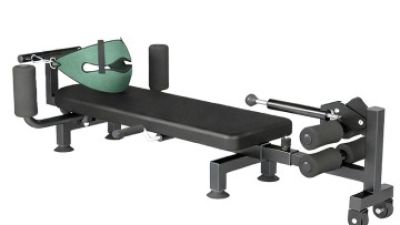
The modern lifestyle often leads to prolonged periods of sitting, which can result in lumbar fatigue and muscle stiffness. To combat these issues, innovative solutions like the home lumbar traction stretching bed table have emerged. This ergonomic device is designed with inflatable airbags that provide essential support for the waist, effectively alleviating back pain and enhancing overall spinal health.
One of the key features of this manual lumbar traction bed is its adjustable hand crank, which allows users to customize their stretch according to their comfort level. Whether targeting the back or legs, this versatility is particularly beneficial for those seeking relief after long hours at a desk or in front of a screen. Additionally, the stretcher table is equipped with two mobile scroll wheels, which enhance its portability, making it easy to maneuver and store in smaller living spaces, such as apartments or home fitness areas.
The ease of use and space-saving design of the lumbar traction bed make it an attractive option for individuals looking to improve their posture and manage pain at home. By incorporating such a tool into their daily routine, users can promote healthier spinal alignment and significantly reduce muscle tension—ultimately paving the way for a more active and comfortable lifestyle.
FAQS
: User safety and comfort are the top priorities.
They allow users to find their ideal position for treatment.
A design that allows easy entry and exit ensures safety for all users.
A well-padded surface can significantly improve comfort levels.
Feedback highlights potential comfort issues and helps gauge effectiveness.
Yes, brands with a reliable history often produce trustworthy products.
Pay attention to common compliments and complaints for better insight.
Many facilities prioritize affordability, balancing features and costs is crucial.
They may compromise on materials, leading to frequent repairs in the long run.
Yes, they can provide essential reflections for making more informed choices.
Conclusion
When selecting the best Lumbar Traction Table, it is essential to start with a clear understanding of the device's functions and advantages. A comprehensive overview of lumbar traction tables reveals the importance of evaluating key features such as ease of use, durability, and mechanics. Additionally, determining the appropriate size and adjustability requirements ensures that the table suits individual needs, promoting effective treatment.
User safety and comfort are paramount when choosing a Lumbar Traction Table, so one should assess cushioning, stability, and usability. Furthermore, identifying cross-compatibility with other rehabilitation equipment can enhance overall treatment efficacy. It is also wise to consider the reputation of the manufacturer and customer feedback to guide the purchasing decision. Lastly, exploring budget-friendly options allows one to find a quality lumbar traction table without overspending.