The Convergence of Lumbar Traction and Kitchenware: A New Era of Home Ergonomics
Modern lifestyle patterns have shifted dramatically over the past decade. With the rise of remote work and home-centric living, the boundaries between professional spaces, leisure zones, and dining areas have blurred. Consequently, physical ailments like chronic lower back pain, lumbar disc herniation, and spinal compression have skyrocketed. While traditional clinical settings offer traction tables for back pain, there is a rapidly growing commercial and industrial demand for integrating these therapeutic modalities directly into everyday household furniture, dining setups, and kitchenware environments.
For decades, traction tables were bulky, intimidating machines confined to physical therapy clinics and rehabilitation hospitals. Today, however, the intersection of ergonomic engineering and industrial home design has paved the way for compact, aesthetically pleasing traction devices that blend seamlessly into domestic spaces. The kitchen and dining room, often dubbed the heart of the home, are primary areas where physical strain occurs—whether from standing for prolonged periods during meal preparation or sitting on poorly designed dining chairs. Addressing back pain in these specific environments represents a massive leap forward in preventative healthcare.
Did You Know? According to global health reports, over 80% of adults experience lower back pain at some point in their lives. Integrating micro-traction and spinal decompression systems into everyday kitchenware and dining furniture can reduce cumulative spinal load by up to 40% during daily household activities.
Commercial and Industrial Status of Home Traction Systems
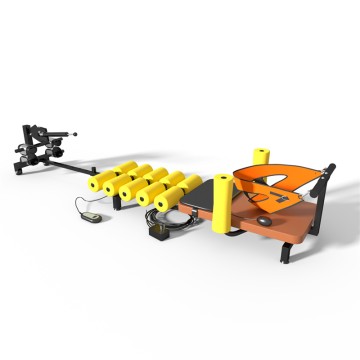
The global market for home rehabilitation equipment is experiencing an unprecedented compound annual growth rate (CAGR). Historically, consumers purchased passive back supports or simple cushions for their dining chairs. However, contemporary consumer demands have evolved toward active, mechanized, and smart therapeutic devices. Manufacturers are now designing traction tables that do not look like medical devices, but rather like premium home furniture. These tables utilize high-end wood finishes, neutral upholstery, and folding mechanisms that allow them to double as dining benches or sideboards when not in active use.
Industrially, production processes have adopted advanced lightweight alloys, high-density memory foams, and whisper-quiet electric actuators. The integration of smart controls—such as mobile apps and touch-screen interfaces built directly into household dining surfaces—allows users to customize their traction tension, angle, and duration. This commercial shift is driven by a demographic that values both functional health benefits and home design aesthetics. As a result, B2B procurement in the hospitality and high-end residential real estate sectors is increasingly prioritizing built-in ergonomic systems, including kitchen counters with integrated lumbar stretching aids and dining suites configured for spinal alignment.
Key Development Trends in Ergonomic Kitchenware & Furniture
As we look to the future, several key trends are shaping the development of traction tables and back pain relief systems within the household dining and kitchenware sectors:
- Multifunctional Smart Furniture: Dining tables that transition from standard dining heights to standing desks with integrated pneumatic traction belts, allowing users to perform gentle decompression stretches while waiting for a meal to cook.
- AI-Powered Load Sensing: Advanced sensors embedded in kitchen stools and dining chairs that detect the user's posture and automatically adjust lumbar support or apply micro-traction forces to relieve spinal compression in real-time.
- Eco-Friendly & Premium Materials: Utilizing sustainable hardwoods, hypoallergenic bamboo fabrics, and non-toxic finishes that align with the clean, green aesthetic of modern kitchens and dining spaces.
- Modular and Space-Saving Designs: Compact, foldable traction platforms that slide easily under a kitchen island or double as an elegant dining bench, making therapeutic traction accessible for compact urban apartments.
Deep Dive: Application Scenarios in Everyday Household Environments
To fully appreciate the value of traction tables for back pain in a domestic setting, let us analyze three distinct everyday application scenarios:
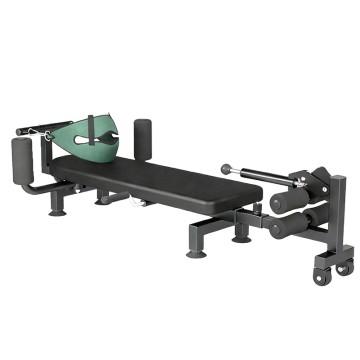
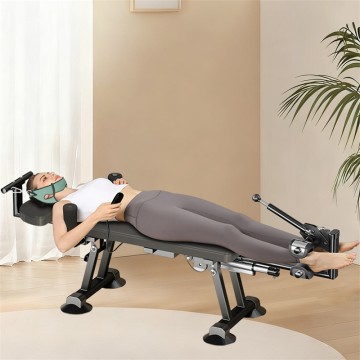
Scenario 1: Post-Meal Decompression in the Dining Room. After enjoying a heavy family dinner, sitting in a static position can exacerbate lower back stiffness and digestive discomfort. A dining table equipped with a modular under-bench traction slider allows family members to transition from dining to a relaxed, semi-reclined traction session. By spending just 10 minutes on the stretching bed table post-dinner, users can decompress their lumbar discs, improve blood circulation, and alleviate the pressure built up from sitting throughout the day.
Scenario 2: Active Recovery During Kitchen Prep. Cooking often requires standing on hard tile floors for hours, leading to fatigue and micro-trauma in the lower back. By integrating a compact, vertical traction frame next to the kitchen island or utilizing a portable back massager on a high stool, home chefs can actively manage their spinal health. Micro-breaks involving gentle traction stretches keep the spinal column hydrated and prevent the acute spasms often associated with kitchen work.
Scenario 3: The Multi-Generational Home Wellness Hub. In modern households, a single dining space serves as a school desk for children, an office for remote-working parents, and a gathering spot for grandparents. A versatile electric back stretch traction table placed in the dining area serves as a shared wellness station. Grandparents can use it for gentle spinal alignment to maintain mobility, while working parents utilize the electric traction features to counteract the effects of hunched laptop posture.