Leave Your Message
Engineered for physiological alignment, muscular decompression, and therapeutic recovery in the United States health and fitness sector.
In the United States, chronic back pain stands as one of the most prevalent and costly public health challenges. According to the American Chiropractic Association (ACA), approximately 31 million Americans experience low-back pain at any given time, with up to 80% of the population suffering from spinal discomfort at some point in their lives. The rapid rise of remote work cultures, coupled with sedentary office routines across metropolitan centers like New York, San Francisco, and Chicago, has exacerbated postural issues, leading to an unprecedented demand for home-based orthopedic solutions.
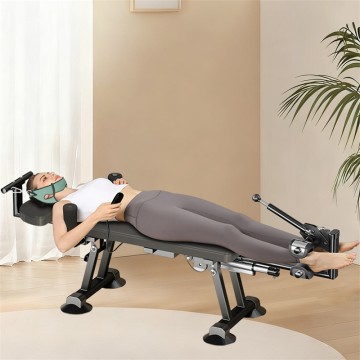
Among these solutions, the curved back stretcher has emerged as a highly sought-after device. It offers a non-invasive, cost-effective, and drug-free method for spinal decompression, lumbar support, and posture correction. By utilizing gravity to stretch the spine, these devices help realign vertebrae, relieve pressure on intervertebral discs, and alleviate muscular tension in the erector spinae, latissimus dorsi, and trapezius muscles. As American consumers increasingly shift toward proactive, preventative wellness strategies, the market for curved back stretchers has transitioned from niche chiropractic clinics directly into mainstream household routines.
For US distributors, e-commerce brands, and healthcare retailers, partnering with an experienced manufacturer is vital. The US market demands high standards for structural integrity, non-toxic materials, and ergonomic accuracy to ensure consumer safety and product durability.
The commercialization of orthopedic back stretchers in the United States requires adherence to strict quality control parameters. American consumers and regulatory bodies maintain highly demanding expectations regarding the structural load capacity of physical therapy equipment. A premium curved back stretcher must withstand up to 300-350 lbs of continuous pressure without structural fatigue. This requires the use of high-grade, impact-resistant ABS (Acrylonitrile Butadiene Styrene) plastics and eco-friendly NBR (Nitrile Butadiene Rubber) or EVA (Ethylene-Vinyl Acetate) foam for the central spinal cushion.
From a logistics and supply chain perspective, US-based businesses require manufacturers that offer flexible OEM/ODM capabilities, comprehensive customized packaging, and rapid international shipping. With key warehousing hubs situated in California, Texas, and Georgia, seamless supply chain integration is critical to keeping up with high sales velocity on major e-commerce platforms like Amazon, Walmart, and specialty medical supply portals.
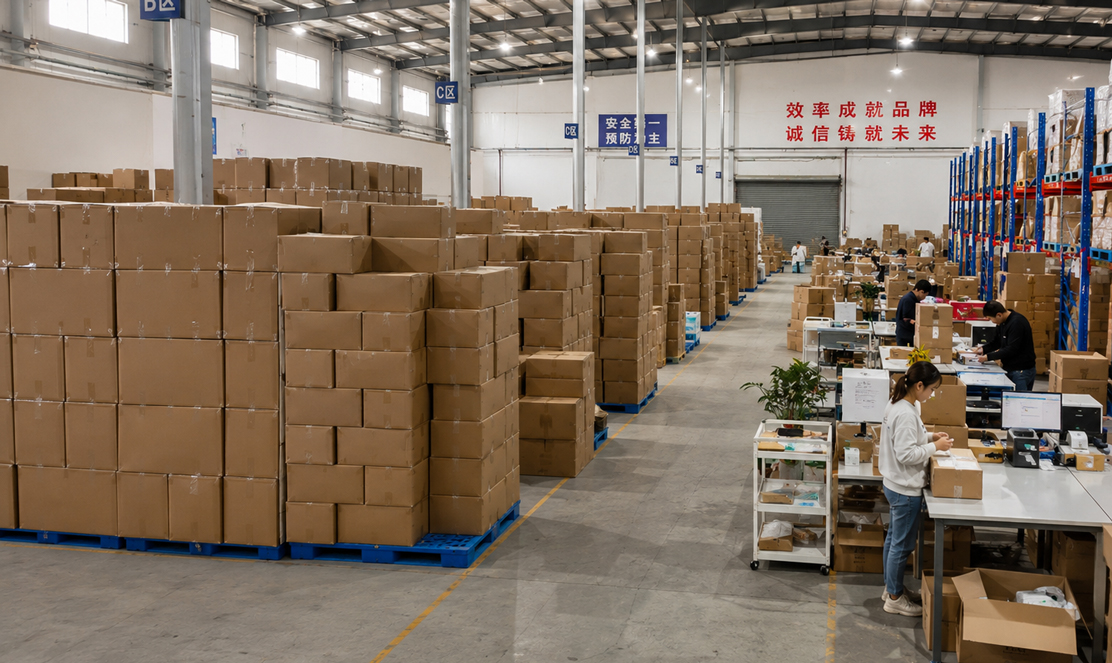
From fitness equipment, inversion tables, and traction table to a wide range of compact massage products, we have always adhered to the philosophy of “Technology Improves Healthy Living.” In today’s fast-paced modern lifestyle, we understand that people are paying increasing attention to physical relaxation, sports recovery, and family healthcare. Therefore, we continuously invest in research and development, combining ergonomic engineering, intelligent manufacturing, and practical design to ensure that every product delivers comfort, safety, and a professional user experience.
The versatility of the curved back stretcher allows it to fit seamlessly into diverse lifestyles and professional environments across the United States. Below are some of the primary application scenarios driving the product's high commercial value:
Millions of American professionals spend over 8 hours a day sitting in front of computer screens. This prolonged sitting leads to anterior pelvic tilt and rounded shoulders. Placing a curved back stretcher behind the office chair serves as an active lumbar support device, encouraging proper posture. Alternatively, a 5-minute stretching session during lunch breaks helps decompress the lumbar spine and alleviate lower back fatigue.
From CrossFit enthusiasts in California to marathon runners in Boston, athletic training places immense stress on the spine. Heavy lifting, running, and high-impact sports can compress the spinal discs. Using an adjustable back stretcher post-workout helps stretch tight muscles, release tension in the lower and upper back, and accelerate muscle recovery through improved local circulation.
Chiropractors and physical therapists across the US frequently recommend home stretching exercises to supplement in-clinic adjustments. The curved back stretcher acts as an ideal home-care recommendation, enabling patients to maintain spinal mobility and muscle relaxation between professional sessions, thereby enhancing overall therapy outcomes.
Forward-thinking tech companies and corporate giants in Silicon Valley and Seattle are increasingly incorporating ergonomic tools into their employee wellness packages. Distributing curved back stretchers to remote employees is a cost-effective way to reduce work-related physical strain, lower absenteeism, and boost overall productivity.

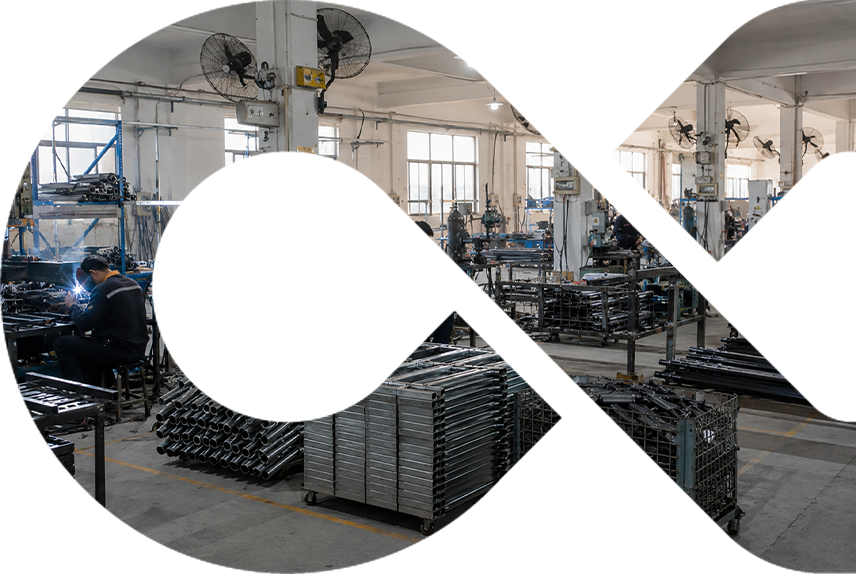
As a modern enterprise integrating research & development, manufacturing, and sales, we possess a mature production system, strict quality inspection procedures, and a professional R&D team. From raw material selection to final product delivery, every process is carefully controlled to ensure compliance with international market standards. Our products are exported to the United States, Europe, and many other countries and regions. To date, we have sold over one million units of various sports and wellness products, earning consistent praise and recognition from customers worldwide.
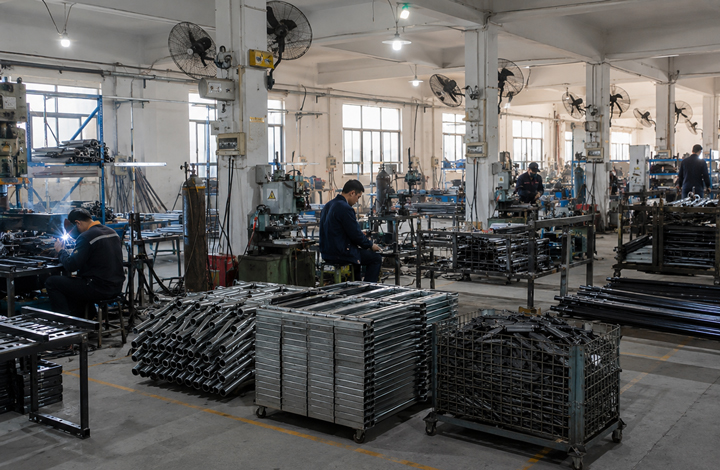
As we look toward the future, the US orthopedic self-care market is moving toward smart integration, personalized ergonomics, and sustainable materials. Today's consumers are highly educated; they research product materials, physiological benefits, and environmental impact before purchasing. Manufacturers who adapt to these shifting expectations will lead the next generation of wellness devices.
One of the key trends is the integration of heat therapy and electronic vibration into the traditional mechanical curved back stretcher. By combining passive stretching with thermal therapy, muscle fibers are warmed and relaxed more efficiently, allowing for deeper decompression and quicker relief. Additionally, smart sensors that track usage patterns and provide posture feedback via mobile apps are starting to emerge, aligning with the broader digital health movement in the United States.
Another critical trend is the shift toward sustainable manufacturing. Eco-conscious American consumers favor products constructed from recycled polymers or bio-based plastics, along with biodegradable packaging. B2B buyers must prioritize manufacturers that actively implement green production initiatives, ensuring their product lines remain competitive and aligned with modern retail standards.
We are not only manufacturing products — we are promoting a healthier, more active, and more comfortable lifestyle. In the future, we will continue to focus on the fields of fitness, rehabilitation, and personal care, bringing more professional, convenient, and high-quality health solutions to families around the world.
Explore our diverse lineup of high-performance orthopedic and massage equipment, optimized for the demands of the American market.