
Leave Your Message
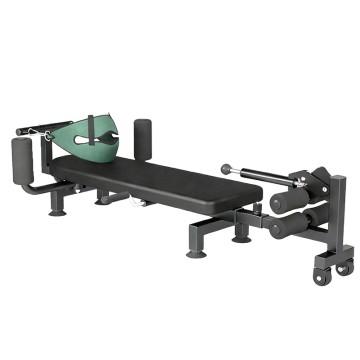
In the contemporary landscape of high-end interior architecture, luxury is no longer defined solely by opulent finishes, rare marbles, or vintage furnishings. A profound paradigm shift has occurred: wellness is the ultimate luxury. As modern lifestyles demand higher performance, longer working hours, and constant digital connectivity, the home has evolved from a social showcase into a private sanctuary for physical and mental restoration. Within this context, the integration of a decompression bed for luxury interior decoration and ambiance has emerged as a major trend among discerning homeowners, interior designers, and wellness consultants worldwide.
Spine health and posture alignment are critical components of daily vitality. Traditional medical equipment, while functional, often introduces a cold, clinical aesthetic that disrupts the carefully curated atmosphere of a luxury residence. Today, leading wellness furniture manufacturers are bridging this gap. By combining advanced biomechanical engineering with premium materials and sophisticated styling, modern decompression tables and traction beds are designed to complement—and enhance—the visual and spatial flow of high-end master suites, private gyms, and dedicated home spas.
Modern luxury interior design focuses on biophilic principles and bio-harmonizing layouts. Incorporating active physical recovery apparatus like traction tables into residential living areas requires a balance of ergonomic excellence, premium tactile materials, and clean visual lines that blend effortlessly with contemporary architectural themes.
This convergence of health technology and high-end design has created a booming market. High-net-worth individuals (HNWIs) are actively investing in residential wellness spaces that feature state-of-the-art physical therapy equipment, specialized lighting, and acoustic dampening. The decompression bed serves as the functional centerpiece of these environments, offering daily decompression therapy to counteract the spinal compression caused by prolonged sitting, intense athletic activities, or aging.
Founded in 2016, our company has grown into a comprehensive integrated enterprise with over one hundred employees, including R&D specialists, sales teams, warehouse staff, and operational personnel. Our headquarters is located in Taiyuan, Shanxi Province, with additional warehouses and R&D departments established in Zhejiang and Guangdong.
We specialize in fitness equipment and sports rehabilitation massage products. Over the years, we have remained deeply committed to the field of home health and physical recovery, striving to provide global consumers with safer, more comfortable, and higher-quality health product solutions.


The global market for home rehabilitation and wellness furniture has experienced exponential growth over the past decade. According to recent market analysis reports, the global wellness real estate and home wellness equipment sector is projected to maintain a compound annual growth rate (CAGR) exceeding 8.5% through 2030. This growth is driven by an aging global population, a heightened awareness of preventative healthcare, and the mainstream adoption of ergonomic living principles.
Historically, spinal decompression therapy was confined to chiropractic clinics, physical therapy centers, and hospitals. These clinical devices were characterized by heavy steel frames, exposed mechanical gears, and sterile vinyl padding. However, as the demand for home-based therapy grew, manufacturers recognized a significant market opportunity: the creation of consumer-grade decompression beds that offer professional-grade traction while matching the aesthetics of luxury home decor.
1. Preventative Health Integration: Daily spinal traction prevents chronic disc herniation and improves overall posture, appealing to health-conscious consumers.
2. Aesthetic Customization: High-end clients demand customized finishes, such as premium leather padding, natural hardwood frames, and hidden mechanical components.
3. Smart Home Integration: Modern decompression tables now feature IoT connectivity, allowing users to control traction force, angle, and session duration via mobile apps or voice commands.
Today, the commercial landscape is characterized by collaboration between medical engineers and luxury furniture designers. High-end brands are utilizing sustainable, premium materials such as solid oak, walnut, brushed titanium, and top-grain Italian leather to encase advanced motorized traction mechanisms. This ensures that the decompression bed is no longer an eyesore to be hidden away in a basement, but a statement piece of functional art proudly displayed in master suites, home libraries, or private wellness pavilions.

From fitness equipment, inversion tables, and traction table to a wide range of compact massage products, we have always adhered to the philosophy of “Technology Improves Healthy Living.” In today’s fast-paced modern lifestyle, we understand that people are paying increasing attention to physical relaxation, sports recovery, and family healthcare. Therefore, we continuously invest in research and development, combining ergonomic engineering, intelligent manufacturing, and practical design to ensure that every product delivers comfort, safety, and a professional user experience.
Integrating a decompression bed into a luxury interior requires careful spatial planning, lighting design, and material coordination. Below, we analyze four distinct residential and commercial scenarios where these advanced wellness beds elevate both the ambiance and the utility of the space.
In high-end master suites, the decompression bed is positioned in a dedicated alcove or adjacent to a private outdoor terrace. Designers often use warm, indirect LED lighting (2700K) integrated into the ceiling or baseboards to create a calming, meditative atmosphere. When paired with natural wood paneling, soft linen drapery, and acoustic wall panels, the decompression bed becomes a private retreat for end-of-day recovery. The use of matching leather upholstery on the bed’s padding ensures it coordinates perfectly with the room's main bed and seating.
For active individuals, athletes, and executives, the private home gym is a vital space. Placing a lumbar traction stretching table alongside high-end cardiovascular equipment and strength training machines provides a dedicated zone for post-workout recovery. Here, the ambiance is energetic yet refined, featuring clean lines, polished concrete or rubberized oak flooring, and smart mirrors. The decompression bed serves as the ultimate cool-down station, helping to decompress the spine immediately after high-impact training.
On superyachts and luxury cruisers, space optimization and structural stability are paramount. Custom-engineered decompression tables are secured to the cabin floor, featuring marine-grade stainless steel components and moisture-resistant leather. Surrounded by panoramic ocean views and integrated with smart stabilizer systems, these beds offer guests a unique relaxation experience, counteracting the physical fatigue sometimes associated with sea travel.
Forward-thinking corporations and private family offices are increasingly introducing wellness rooms for executives. A high-end decompression bed in a quiet, low-lit office alcove allows leaders to take 15-minute spinal decompression breaks during intense workdays. This not only relieves physical tension in the lower back and neck but also helps clear the mind, boosting cognitive performance and focus.
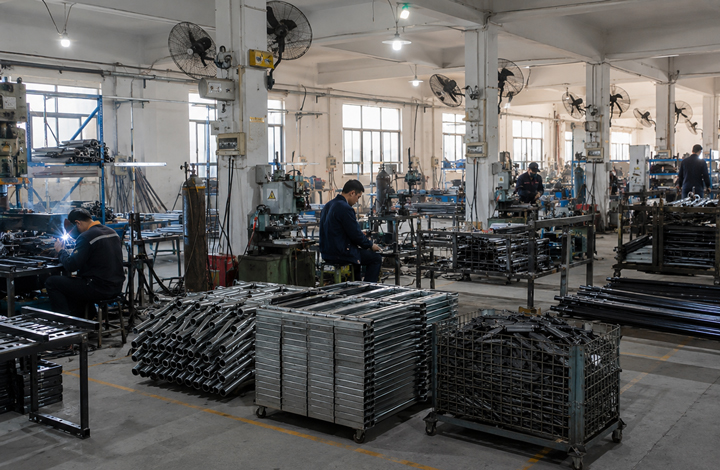

As a modern enterprise integrating research & development, manufacturing, and sales, we possess a mature production system, strict quality inspection procedures, and a professional R&D team. From raw material selection to final product delivery, every process is carefully controlled to ensure compliance with international market standards. Our products are exported to the United States, Europe, and many other countries and regions. To date, we have sold over one million units of various sports and wellness products, earning consistent praise and recognition from customers worldwide.
To successfully integrate a decompression bed into a luxury interior without compromising the design scheme, interior architects should follow specific guidelines regarding materials, color coordination, and layout flow:
Steer away from standard medical-grade vinyls. Instead, specify decompression tables upholstered in premium, eco-certified full-grain leathers or high-performance, antimicrobial contract fabrics that match the existing furniture palette. Metal accents should align with the hardware of the room—brushed brass, matte black, or polished nickel details on the traction bed frame create a cohesive, custom-tailored look.
A decompression bed requires adequate clearance on all sides to allow the user to easily mount, dismount, and adjust the traction settings. Designers recommend maintaining at least 90 cm (approx. 3 feet) of open space around the perimeter of the bed. If the bed features a folding or tilting mechanism (such as an inversion table style), ensure the vertical clearance is verified against low-hanging light fixtures or sloped ceilings.
Spinal decompression is most effective when the body is in a fully relaxed state. Therefore, glare-free lighting is essential. Avoid placing recessed spotlights directly above the head of the bed. Instead, use wall sconces, cove lighting, or smart lighting systems that can transition to soft, warm hues (such as amber or low-intensity red) during a therapy session. Incorporating soundscapes via integrated Bluetooth speakers or acoustic wall treatments further enhances the sensory experience.
We are not only manufacturing products — we are promoting a healthier, more active, and more comfortable lifestyle. In the future, we will continue to focus on the fields of fitness, rehabilitation, and personal care, bringing more professional, convenient, and high-quality health solutions to families around the world.