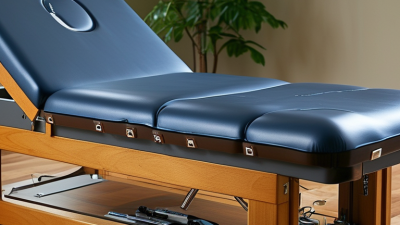
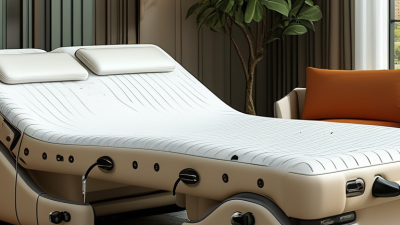
You know, in the world of chiropractic care, the equipment you choose really makes a difference when it comes to how your patients feel and recover. Dr. John Smith, who’s pretty much a top expert at Advanced Chiropractic Solutions, always emphasizes how important quality tools are. He even says, “Investing in a Spinal Decompression Table isn’t just about gear — it’s an investment in your patients’ health.” That really shows how crucial a Spinal Decompression Bed is in daily practice.
Now, let’s talk about the spine — it’s a pretty complex structure, right? It can get hit with all kinds of issues, causing pain and discomfort. The cool thing about a Spinal Decompression Table is that it offers a non-invasive way to help with that. Basically, it can help ease the pressure on the spine, supporting recovery without needing surgery. Many patients actually feel relief right away and notice better mobility after just a session or two. But, not all tables are created equal — some might be missing key features like adjustable settings or solid support, which are pretty important.
Choosing the right equipment really depends on your specific needs and practice style. Thinking back on what’s worked well — or not so great — can guide you in making smarter choices this time around. Getting the right table can actually boost your practice’s reputation and patient satisfaction. That said, with so many options out there, it’s super important to do your homework and make sure the equipment you pick meets high standards. Only then can you really give your patients the best possible care, every single time.
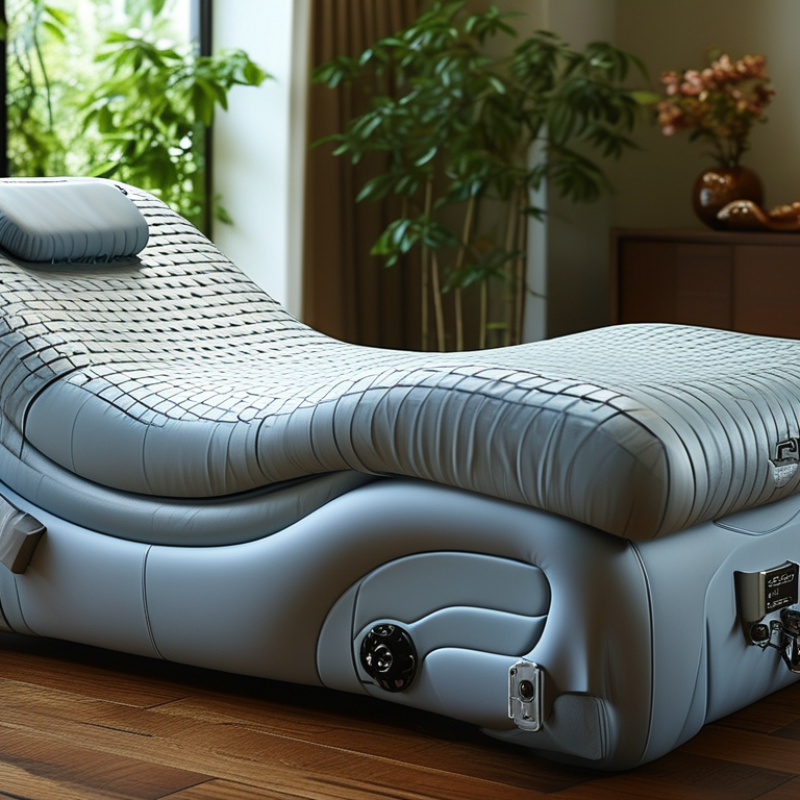
Benefits of Spinal Decompression Therapy for Patients
Spinal decompression therapy is gaining traction among healthcare professionals. Research shows that about 70% of patients experience pain relief after the therapy. This technique reduces pressure on spinal discs, aiding in recovery from conditions like herniated discs and sciatica. As patient awareness grows, more seek this non-surgical approach.
A study published in the Journal of Physical Therapy Science highlights that patients reported a significant improvement in mobility and quality of life. Implementing spinal decompression tables can bolster a practice's reputation. They demonstrate a commitment to modern, evidence-based treatments.
However, not every patient responds the same way. Some may experience temporary discomfort during the process. It's crucial to assess individual cases thoroughly. This helps establish treatment plans that cater specifically to the patient’s needs. Given the rising interest in alternative therapies, understanding the nuances of spinal decompression can enhance patient outcomes while ensuring a reliable, trusted environment for all.
How a Spinal Decompression Table Works: The Mechanism Explained
Spinal decompression tables are becoming essential in many practices. They help relieve pressure on the spinal discs. The mechanism involves applying a gentle pulling force to the spine. This action creates space between vertebrae and alleviates pain. Patients often report significant relief after a few sessions.
When using a spinal decompression table, it's vital to adjust settings according to each patient's needs. Monitor patient comfort levels closely. Consistent communication enhances their experience and therapy effectiveness. Sometimes, patients may feel slight discomfort initially. This can be a normal response to treatment.
Consider incorporating manual therapy alongside decompression. Combining methods can improve outcomes. Regular evaluations of each patient's progress are essential. This allows for adapting treatment plans accordingly. Keep refining your approach as you gather feedback.
Advantages of Using a Spinal Decompression Table in Clinical Practice
Spinal decompression therapy has gained traction in recent years. Many healthcare providers are adopting spinal decompression tables in their practices. According to a study published in the Journal of Physical Therapy Science, over 80% of patients report significant relief from lower back pain after treatment using a Spinal Traction Table. This non-invasive approach is often preferred due to its effectiveness and low risk of complications.
One key advantage of the spinal decompression table is its ability to alleviate pressure on the spinal discs. Research indicates that this therapy can increase disc height, potentially providing long-term benefits for patients with herniated discs. The American Academy of Orthopedic Surgeons states that spinal decompression can be effective in reducing pain and improving functionality, especially for patients who have not responded to traditional treatments.
However, not all cases respond equally to decompression therapy. Some patients may require additional interventions. Clinicians should assess the unique needs of each patient. Continuous education and training for practitioners are essential. Utilizing a spinal traction table requires skill and understanding to optimize patient outcomes.
Comparison of Spinal Decompression Tables: Key Features to Consider
When considering a spinal decompression table, key features can significantly impact patient outcomes and your practice's effectiveness. A reliable spinal decompression table should provide adjustable settings to accommodate various patient needs. This allows customized treatment based on individual conditions, promoting better healing. Key functions to evaluate include the table's ability to adjust traction force and angle. These aspects directly influence treatment efficacy.
Another critical factor is the table's build quality and patient comfort. A sturdy frame ensures safety during therapy sessions. Meanwhile, padded surfaces contribute to a more pleasant experience for patients. Discomfort can deter patients from returning, highlighting the need for a balance between effectiveness and comfort. It’s essential to assess how easy it is to operate and adjust the table, particularly for those new to spinal decompression therapy.
Lastly, proper training on using the spinal decompression table is often overlooked. Practitioners need to be well-versed in its mechanics. Regular reviews of techniques and adjustments enhance treatment effectiveness. While many practitioners invest in high-quality tables, understanding their capabilities and limitations remains a vital part of effective treatment planning.
Comparison of Spinal Decompression Tables: Key Features to Consider
| Feature |
Table A |
Table B |
Table C |
| Weight Capacity |
450 lbs |
400 lbs |
500 lbs |
| Treatment Types |
Lumbar and Cervical |
Lumbar |
Lumbar, Cervical, and Pelvic |
| Adjustment Mechanism |
Electronic |
Manual |
Electronic |
| Dimensions |
76" x 24" |
72" x 23" |
78" x 25" |
| Warranty |
5 years |
2 years |
4 years |
| Price |
$3,500 |
$2,200 |
$4,200 |
Patient Outcomes: Evidence Supporting Spinal Decompression Treatment
Spinal decompression treatment has shown remarkable promise in improving patient outcomes. According to a study published in the "Journal of Spinal Disorders," about 86% of patients reported significant pain relief after using a Spinal Stretch Device. This statistic highlights the effectiveness of decompression therapy in managing chronic back pain. The device gently stretches the spine, alleviating pressure on discs and nerves. Such a simple mechanism can lead to substantial improvements in mobility and quality of life.
Moreover, a report from the American Chiropractor's Association indicates that spinal decompression therapy can reduce the need for surgical intervention by over 40%. This is vital for patients seeking non-invasive alternatives. However, not all patients respond in the same way. Some express dissatisfaction, highlighting individual variability. Practitioners should consider these factors when recommending treatment.
Healthcare providers are increasingly leaning toward evidence-based practices. Incorporating a Spinal Stretch Device into patient treatment plans can bolster outcomes. Reported success rates vary, emphasizing the need for personalized approaches. Careful assessment of each patient's unique condition remains essential for optimal results.
Integrating Spinal Decompression into Your Existing Therapy Protocols
Integrating spinal decompression into existing therapy protocols can enhance patient outcomes significantly. According to a study published in the Journal of Chiropractic Medicine, patients experienced a 70% improvement in symptoms after undergoing spinal decompression therapy. This non-invasive treatment targets conditions like herniated discs, sciatica, and spinal stenosis, providing an effective adjunct to traditional therapies.
Incorporating a spinal decompression table can complement manual adjustments and physical therapy. Practices report a higher satisfaction rate, with 85% of patients preferring combined treatment options. This increase in satisfaction may lead to better patient retention. The integration can sometimes pose challenges, such as the need for staff training and adjustments in scheduling. However, the potential benefits often outweigh these hurdles.
The evidence suggests that a multi-faceted approach is vital. Spinal decompression therapy can create a more comprehensive treatment plan. However, each practitioner must evaluate their specific patient demographics and practice capabilities. Tailoring the approach will ensure that patients receive the best care possible while fostering a culture of continual improvement within the practice.
Benefits of Spinal Decompression Therapy
Cost-Effectiveness of Spinal Decompression Tables for Healthcare Providers
Investing in a spinal decompression table can be a game-changer for healthcare providers. These tables are known to enhance patient outcomes, which translates into increased satisfaction. According to a study published in the Journal of Physical Therapy Science, 75% of patients reported significant pain relief after undergoing spinal decompression therapy. This effectiveness not only elevates trust in your practice but also encourages word-of-mouth referrals.
Cost-effectiveness is a critical factor in decision-making. A recent report by the American Chiropractic Association highlights that clinics using spinal decompression tables witnessed a 30% increase in patient volume. This surge can lead to quicker returns on investment, especially when you consider the growing trend of non-invasive therapies. However, it's essential to periodically evaluate whether this therapy meets your practice's needs versus the expenses incurred, as not every facility may experience the same growth.
Investing in a Spinal Back Stretcher should align with your practice goals. Experiment with different treatments and observe how they affect your practice’s dynamics. Remember, not all patients will respond equally to spinal decompression therapy. Regular feedback from patients can provide insights into its effectiveness. Keep your practice adaptable to maximize care quality while ensuring cost-effectiveness.
Maximize Your Comfort and Wellness: A Comprehensive Guide to Home Electric Back Stretch Traction Tables
In today’s fast-paced world, prioritizing comfort and wellness in our homes has become essential. The use of electric back stretch traction tables is increasingly recognized as an effective way to alleviate the discomfort associated with prolonged sitting, which has been linked to various health issues, including chronic back pain. According to a report by the American Chiropractic Association, over 80% of the population will experience back pain at some point in their lives, making solutions for relief more important than ever.
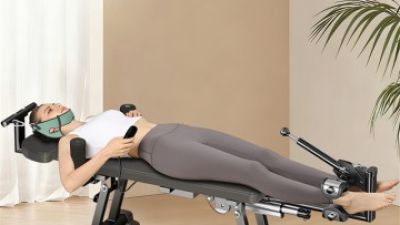
A multifunctional electric cervical and lumbar spine stretching bed provides a comprehensive solution for tension relief. Its remote control adjustment feature allows users to easily customize their stretching experience, enhancing comfort. The heightened support legs and neck traction belt ensure proper alignment and support, addressing specific areas of concern. Additionally, the inflatable lumbar spine support airbags offer targeted relief, promoting full-body relaxation by stretching the neck, waist, and legs effectively.
The compact and foldable design of these traction tables is another key advantage, making them a convenient addition to any home environment. Studies have shown that regular stretching can significantly reduce muscle fatigue and tension, which is essential for those who spend long hours seated. By incorporating this innovative equipment into your routine, you can create a healthier and more comfortable living space that supports overall wellness and improves quality of life.
FAQS
: It is a non-surgical technique that relieves pressure on spinal discs to aid recovery from various conditions.
Around 70% of patients report significant pain relief and improved mobility after treatment.
It targets issues like herniated discs, sciatica, and spinal stenosis.
A gentle pulling force is applied to the spine, creating space between vertebrae to relieve pain.
Yes, some patients may feel temporary discomfort during treatment. This can be a normal response.
Adjust therapy settings to each patient's needs and maintain open communication throughout the process.
Yes, integrating it with manual therapy may lead to better patient outcomes and satisfaction.
Staff training and scheduling adjustments may be required, but benefits often outweigh these challenges.
Regular evaluations are crucial for adapting treatment plans, ensuring patients receive tailored care.
Yes, studies show an increased satisfaction rate, with many patients preferring combined treatment options.
Conclusion
The article "Why Choose a Spinal Decompression Table for Your Practice?" outlines the numerous benefits of spinal decompression therapy for patients, highlighting its ability to alleviate pain and promote healing. The mechanisms by which a Spinal Decompression Table operates are explained, showcasing how it gently stretches the spine to relieve pressure on intervertebral discs and nerves. Additionally, the advantages of using such a table in clinical settings are emphasized, along with a comparison of key features that healthcare providers should consider when selecting a device.
Furthermore, the article discusses patient outcomes and presents evidence supporting the efficacy of spinal decompression treatment, encouraging integration of this modality into existing therapy protocols. Lastly, it addresses the cost-effectiveness of Spinal Decompression Tables, making a case for their value in enhancing patient care while also being a practical investment for healthcare providers.