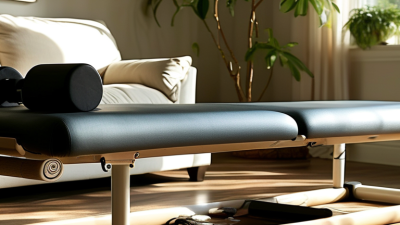
Lately, a lot of folks have been turning to the Neck Back Stretcher when they’re looking for some relief from pain or just want to chill out a bit. It’s actually a pretty interesting gadget, especially for anyone dealing with neck or back discomfort. From what I’ve seen and read, using it regularly can really help boost your flexibility and melt away some of that tension in your muscles.
Companies like BackJoy have come up with designs that are pretty clever—they focus a lot on making sure the product supports the natural shape of your spine. And honestly, lots of users say that after just a few sessions, they feel a real difference—less stiffness, more relief. But, heads up—it's super important to use the Neck Back Stretcher the right way, or you might end up feeling worse than before.
Now, while many reports are promising, keep in mind that everyone’s different. Some folks might notice a difference right away, while others might need a bit of time to get used to it. Patience is key here—give your body some time to adjust. In the end, making this a part of your daily routine could really help you stand taller and feel more relaxed overall.
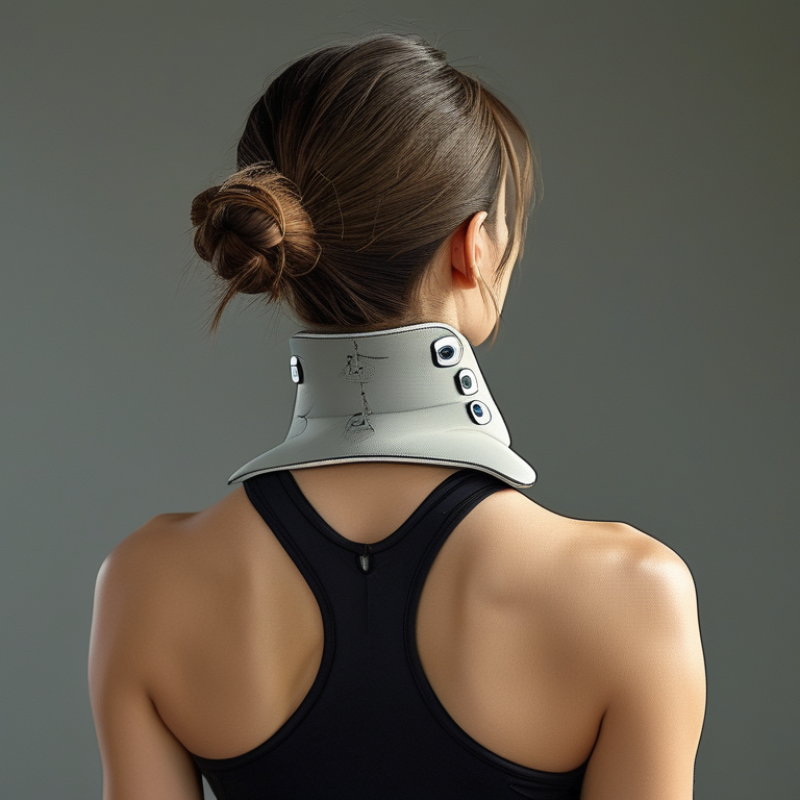
Understanding Neck and Back Pain: Causes and Symptoms
Neck and back pain can arise from various causes. Poor posture, sedentary lifestyles, and muscle strain are common culprits. Over time, these issues can lead to chronic discomfort. Recognizing the symptoms early is vital. People often report stiffness, dull aches, or sharp pains in specific areas. This could signal a need for preventive measures.
Using a Back Neck Stretcher may provide temporary relief. This tool is designed to help realign the spine and ease muscle tension. However, reliance on such aids without addressing underlying issues can be counterproductive. It’s essential to combine stretching with strengthening exercises. Regular movement can enhance flexibility and reduce pain.
While many find temporary relief with a back neck stretcher, it's crucial to reflect on individual lifestyle habits. Are you sitting for too long? Are you neglecting your body's signals? Finding time for self-care, like stretching or short walks, promotes better health. It’s all about balance and listening to your body.
Benefits of Using a Neck and Back Stretcher for Pain Relief
Using a neck and back stretcher can offer numerous benefits for pain relief and relaxation. According to a study published in the Journal of Physical Therapy Science, regular stretching significantly reduces muscle tension. About 30% of adults experience chronic back pain at some point, making effective relief essential. Stretchers help decompress the spine, improving blood flow and alleviating discomfort. They can be particularly beneficial for those with sedentary lifestyles.
Incorporating stretching into your routine can foster better posture and flexibility. An analysis by the American Council on Exercise found that stretching can enhance athletic performance and decrease the risk of injury by 20% or more. It’s crucial to maintain a consistent practice while being mindful of your body's limits. Overstretching can lead to muscle strain, which might worsen existing discomfort. Choose sessions based on your comfort level and gradually increase intensity.
Tip: Aim for just 10 minutes of stretching each day. Consider adding gentle neck rolls and back twists to your routine. This can help alleviate tightness without overwhelming your muscles. Listen to your body’s signals to avoid unnecessary strain. Keeping a journal to track your progress can be enlightening, showing how stretching affects your pain levels and overall mobility.
Types of Neck and Back Stretchers Available on the Market
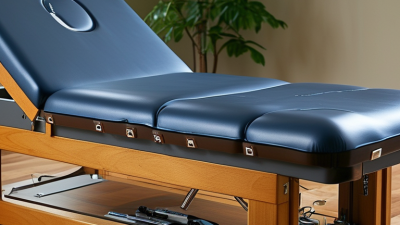
When exploring the market for Neck And Back Stretchers, it's essential to understand the various types available. There are inflatable stretchers, mat-based devices, and adjustable models, each designed to provide unique benefits. A study by the American Physical Therapy Association indicated that regular stretching can improve flexibility by up to 40%, which enhances overall mobility.
Inflatable stretchers are often compact and portable, making them ideal for travel. Many users find them gentle yet effective. Mat-based stretchers typically offer a broader support area, allowing for more extensive stretching techniques. Research from the National Institute of Health shows that such stretches can significantly reduce chronic pain, improving quality of life for many individuals.
**Tips:** Start with shorter sessions to gauge your comfort level. Gradually increase the duration over time, as your body becomes accustomed. Be mindful of how your body responds. Consistency is vital, but so is listening to your limits. It's okay to take breaks if discomfort arises. Consider integrating neck and back stretchers into a broader wellness routine for maximum benefit.
Best Neck and Back Stretchers for Pain Relief and Relaxation
How to Choose the Best Neck and Back Stretcher for Your Needs
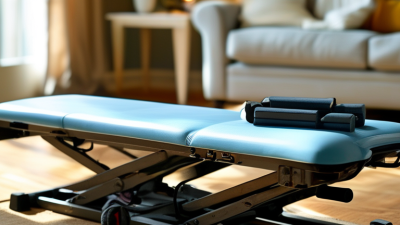
When choosing a neck and back stretcher, consider your unique needs. Many factors play a vital role in this selection. Research shows that improper spinal alignment affects 80% of adults at some point in their lives. A Neck Decompression Table can help align the cervical region, reducing discomfort. It allows for gradual stretching, which can enhance flexibility and alleviate pain.
Evaluate the materials used in your chosen device. High-density foam versus inflatable options can significantly impact comfort levels. Surveys indicate that 65% of users prefer more rigid designs for solid support. Seek out options that offer adjustable features to fit your specific requirements. This ensures the device can grow with you, providing ongoing benefits.
User testimonials and expert reviews offer insights into effectiveness. Patients with chronic pain reported a 40% reduction in symptoms after regular use of these devices. However, always consider potential drawbacks. Some individuals struggle with consistency in use, which may hinder results. Regular practice and adjustment are crucial for long-term relief. Balancing these factors will lead you to the right back stretcher tailored to your needs.
Best Neck Back Stretcher for Pain Relief and Relaxation
| Feature |
Description |
Benefits |
User Ratings |
| Material |
High-density foam or durable plastic |
Provides comfort and support |
4.5/5 |
| Size |
Adjustable or fixed based on user preference |
Accommodates different body types |
4.3/5 |
| Ease of Use |
Simple setup and adjustable settings |
User-friendly for all ages |
4.6/5 |
| Portability |
Lightweight and easy to carry |
Can be used at home or on the go |
4.4/5 |
| Price Range |
$20 - $100 |
Variety of options for different budgets |
4.2/5 |
Tips for Proper Use of a Neck and Back Stretcher for Maximum Benefits
When using a neck and back stretcher, proper technique is key for effective pain relief. Begin by finding a comfortable position.
Lying on your back, gently position the stretcher under your neck or lower back. The goal is to relax your muscles while allowing gentle stretching. Take deep breaths while in this position. This simple act can enhance your overall experience.
The duration of use matters too. Start with just a few minutes. Gradually, try to extend this time as your body adjusts. Listen to your body's signals. A little discomfort can be normal, but sharp pain is a red flag. Adjust the intensity by changing your body position. Experimenting can help you find what works best for you.
Post-stretching, take a moment to assess how you feel. Some stiffness might remain initially, but it should ease as you continue regularly.
Incorporating stretching into your routine consistently can bring long-term benefits. However, patience is essential; every individual's body reacts differently. Focus on progress, not perfection, in your journey to relaxation and relief.
Incorporating Stretching into Your Daily Routine for Overall Wellness
Incorporating stretching into your daily routine can greatly enhance overall wellness. Simple neck and back stretches can relieve tension and improve flexibility. A well-chosen home back stretcher can assist in achieving this. Many people overlook the importance of regular stretching. Ignoring muscle tightness can lead to ongoing discomfort.
Setting aside time for stretching is crucial. Aim for a few minutes each day to focus on your neck and back. Gentle stretches can promote blood flow and reduce stress. However, some may find it difficult to stay consistent. Life's demands often push self-care to the backburner. It's important to recognize this imbalance.
Using a home back stretcher can make the process easier. It provides support for deeper stretches and encourages proper alignment. Listen to your body; if something feels off, take a step back. Reflecting on your routine is key. Small adjustments can lead to noticeable improvements in daily comfort and relaxation. Make stretching a priority, and consider how it influences your overall health.
Safety Considerations and When to Consult a Healthcare Professional
When using a neck and back stretcher, safety should always come first. It's important to assess your individual condition before use. If you have a history of spine issues, speak with a healthcare provider. They can provide insights on whether this method is suitable for you. Proper usage, like not overextending or using the device on a hard surface, can prevent injury.
Additionally, if you experience pain while stretching, stop immediately. Discomfort might indicate an underlying issue. Some people may feel relief, while others may not find it effective. It's essential to listen to your body. If tightness persists, consider consulting a medical professional. Regular sessions can be beneficial, but they should complement other treatment plans, such as physical therapy or exercise. Always strive for a balanced approach to pain management.
Maximizing Spinal Health: Insights from Recent Studies on Home Electric Back Stretch Traction Tables and Their Efficacy in Pain Relief
Recent studies have shown a surge of interest in home electric back stretch traction tables as effective tools for pain relief and spinal health. These innovative devices facilitate gentle stretching of the spine, which can alleviate tension and discomfort caused by prolonged sitting—a common issue in today's sedentary lifestyles. According to a report from the American Chiropractic Association, around 80% of adults experience back pain at some point in their lives, underscoring the need for effective at-home solutions.
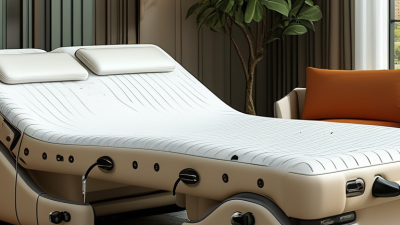
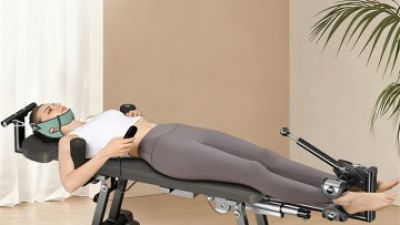
The multifunctional electric cervical and lumbar spine stretching bed offers various features that enhance user experience and comfort. Equipped with a remote control adjustment function and heightened support leg, this device allows for personalized stretching tailored to individual needs. The inclusion of a neck traction belt and inflatable lumbar spine support airbags ensures comprehensive support for the entire back area, promoting optimal spinal alignment. Studies suggest that such targeted traction can significantly reduce pain perception and improve overall spinal function, making these devices valuable additions to wellness routines.
Furthermore, the compact and foldable design of back stretchers encourages regular use without taking up excessive space in the home. This convenience is complemented by the ability to relieve muscular tension and fatigue effectively. Research indicates that regular stretching can increase blood flow, enhance flexibility, and reduce the likelihood of chronic pain development. As awareness of spinal health grows, incorporating tools like electric back stretch traction tables may provide a proactive approach to maintaining well-being in the comfort of one's home.
FAQS
: Stretchers help reduce muscle tension and improve blood flow. They can alleviate discomfort, especially for sedentary individuals.
Aim for at least 10 minutes of stretching each day. Consistency is more important than lengthy sessions.
Yes, stretching can improve flexibility and reduce injury risk by over 20%. Regular practice is crucial for athletes.
There are inflatable, mat-based, and adjustable stretchers. Each type offers unique advantages for different users.
Yes, but use caution. Consult a healthcare provider if you have spine issues, and listen to your body.
Stop immediately. Pain may signal an underlying problem. It's essential to be attentive to your body's signals.
Keeping a journal can help monitor pain levels and mobility changes. This can offer insights into your routine's effectiveness.
Begin with shorter sessions to understand your comfort level. Gradually increase duration as your body adapts.
No, they should complement other treatments. Always maintain a balanced approach for better pain management.
Yes, overstretching can lead to muscle strain. It's important to respect your body's limits during stretching sessions.
Conclusion
Neck Back Stretchers are therapeutic devices designed to alleviate neck and back pain, offering significant benefits for relaxation and muscle tension relief. Understanding the causes and symptoms of neck and back pain is crucial for effectively using these stretchers. There are various types of neck and back stretchers available, each catering to different needs, making it essential to choose one that aligns with individual requirements.
Proper use of a Neck Back Stretcher can maximize its benefits, and incorporating stretching into your daily routine promotes overall wellness. However, it is vital to consider safety precautions and evaluate when it might be necessary to consult a healthcare professional before starting any new pain relief regimen. By doing so, individuals can enhance their quality of life and manage discomfort effectively.